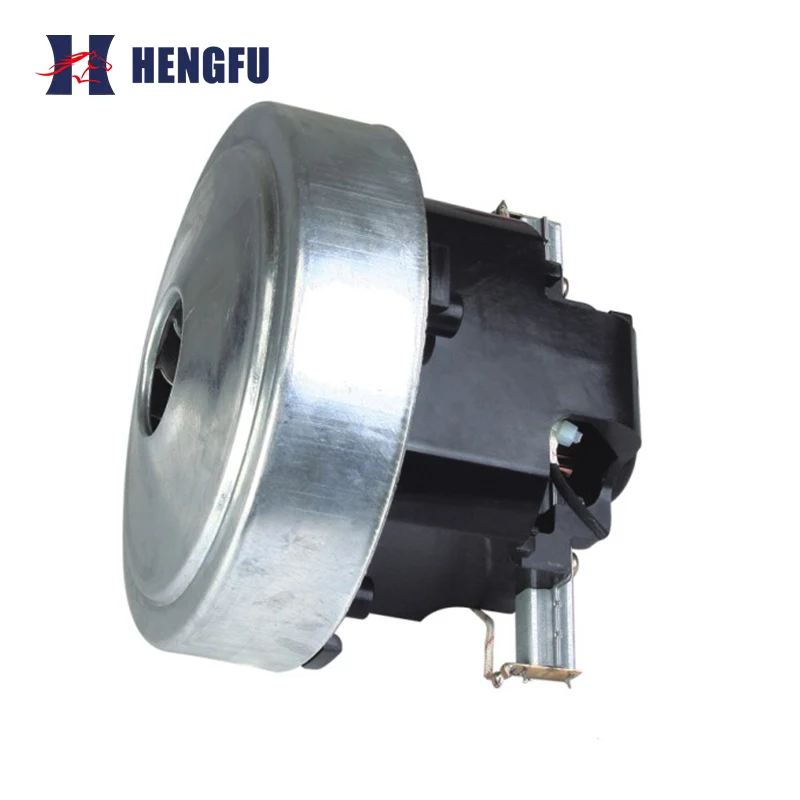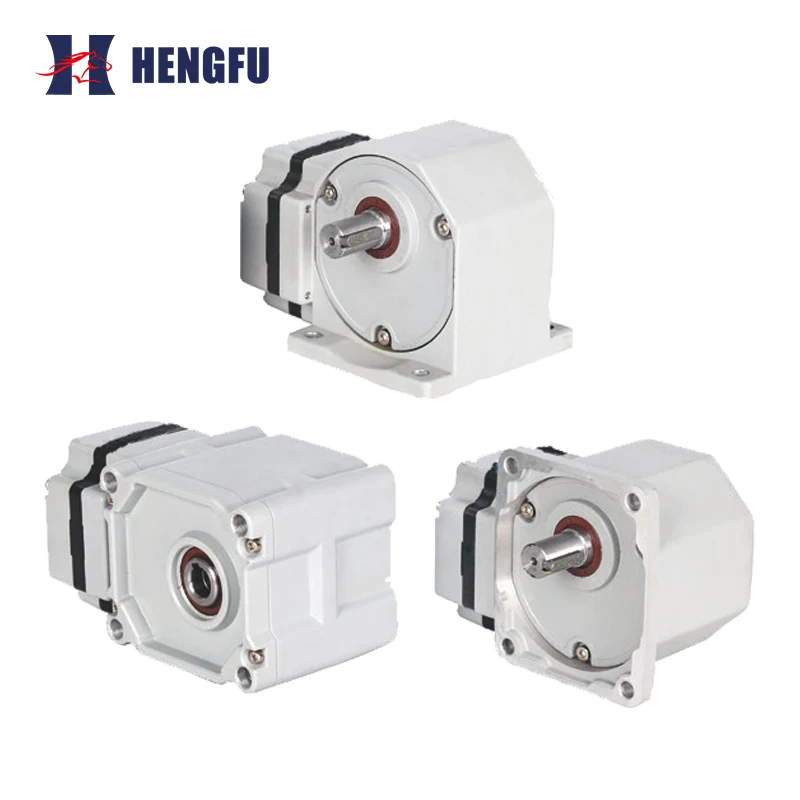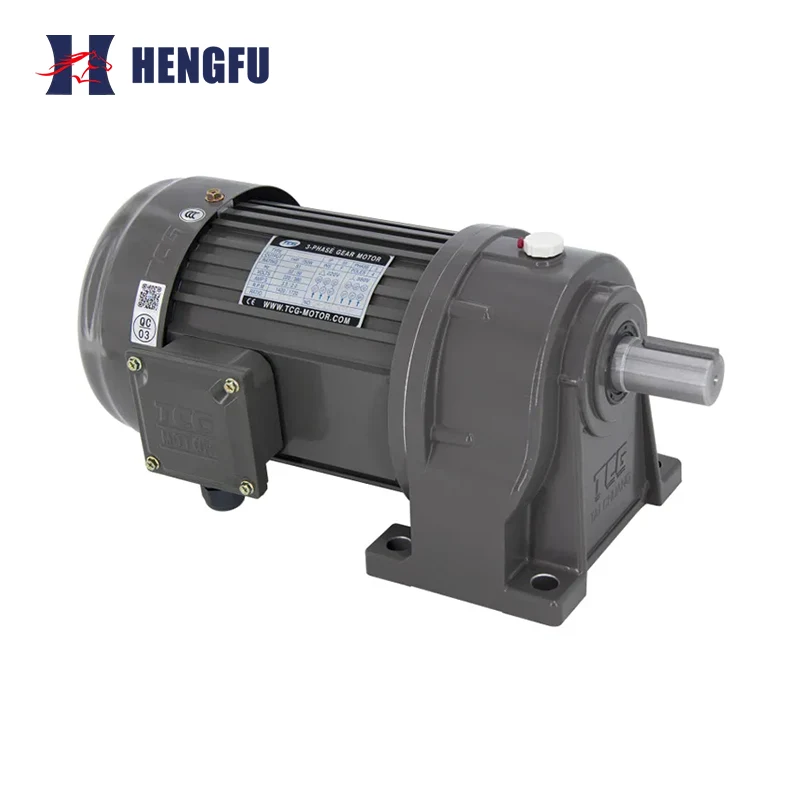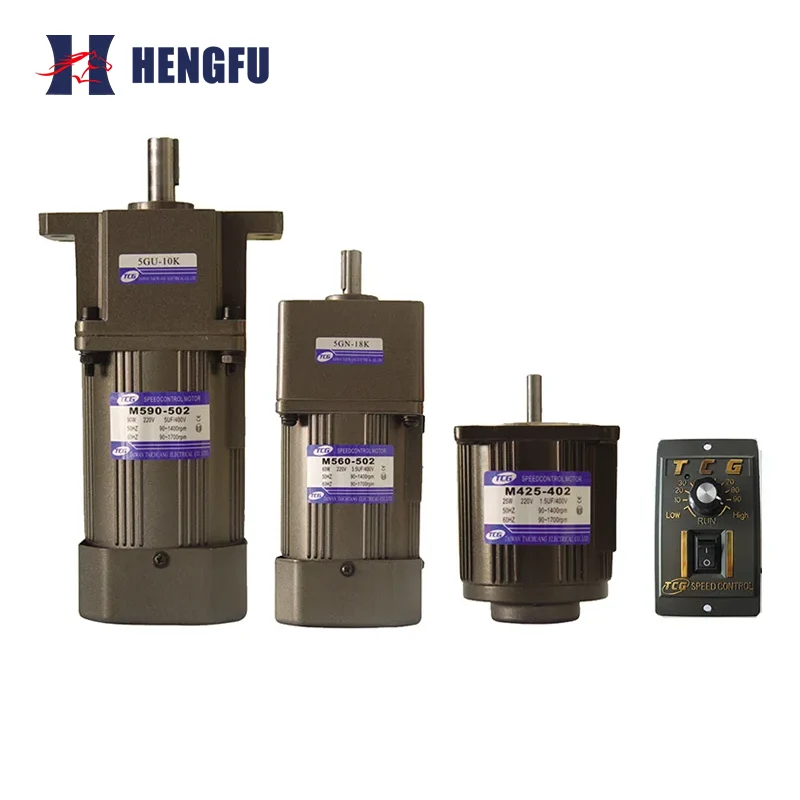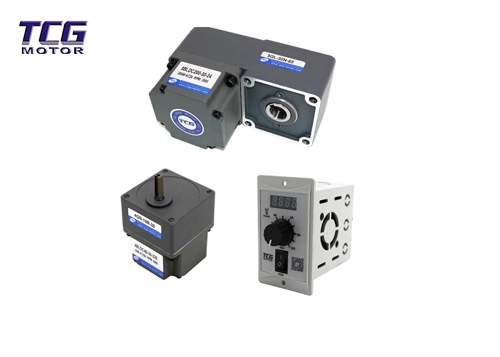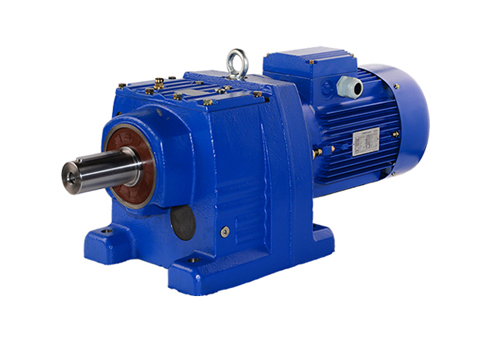

Hengfu High Efficiency Motor Advantages: High efficiency and energy saving, good heat dissipation, low temperature rise, long life, low vibration, low noise, exquisite appearance, high reliability, good pressure resistance.
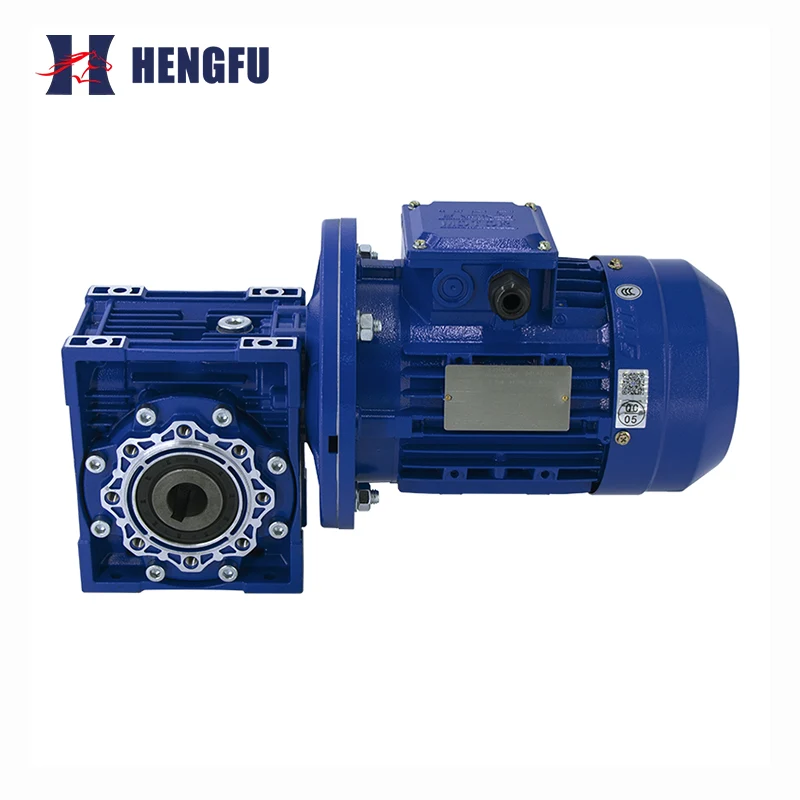
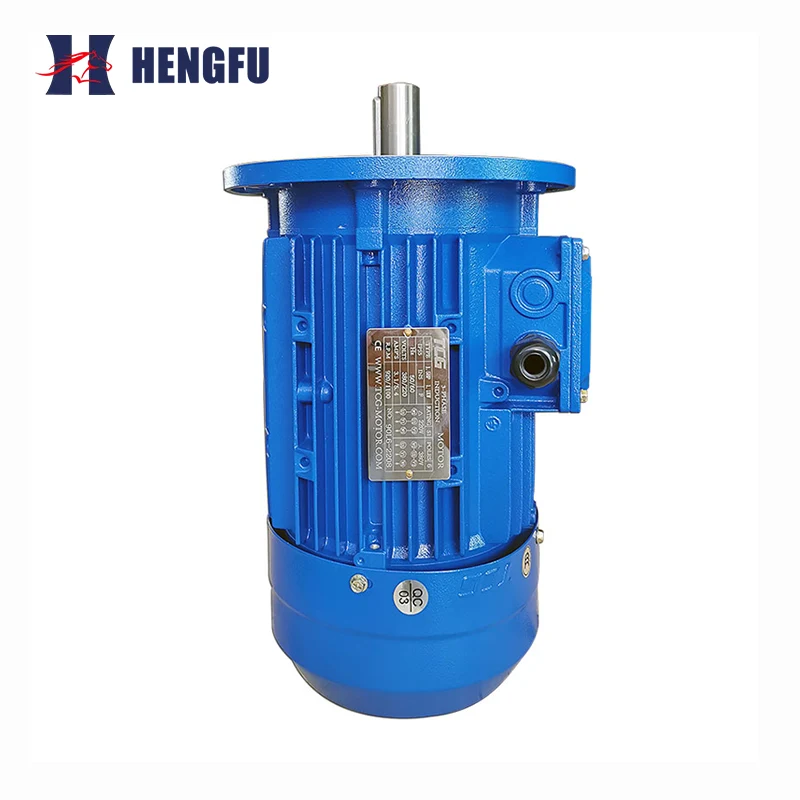
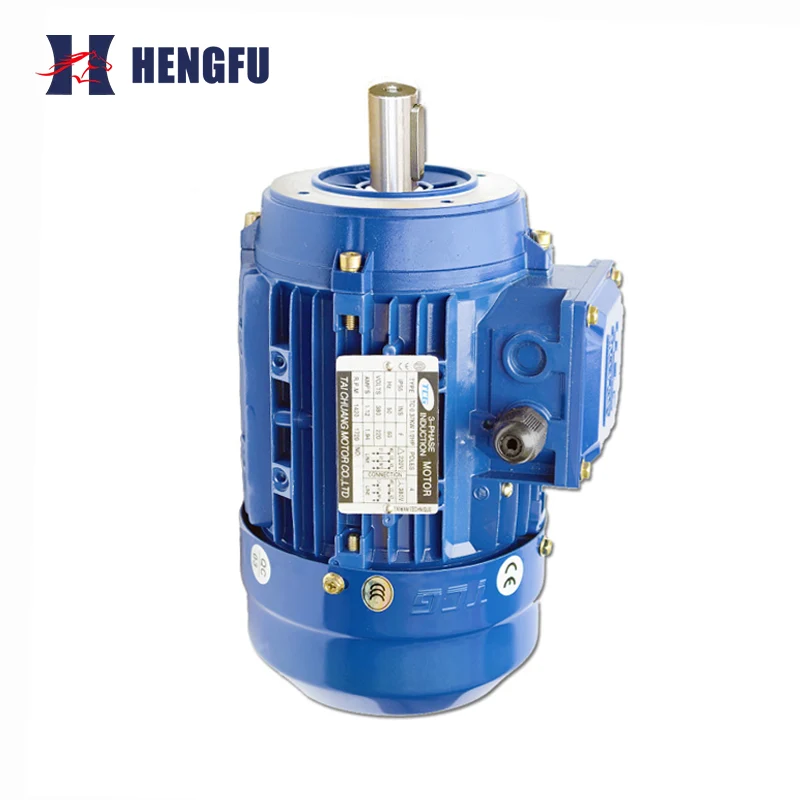
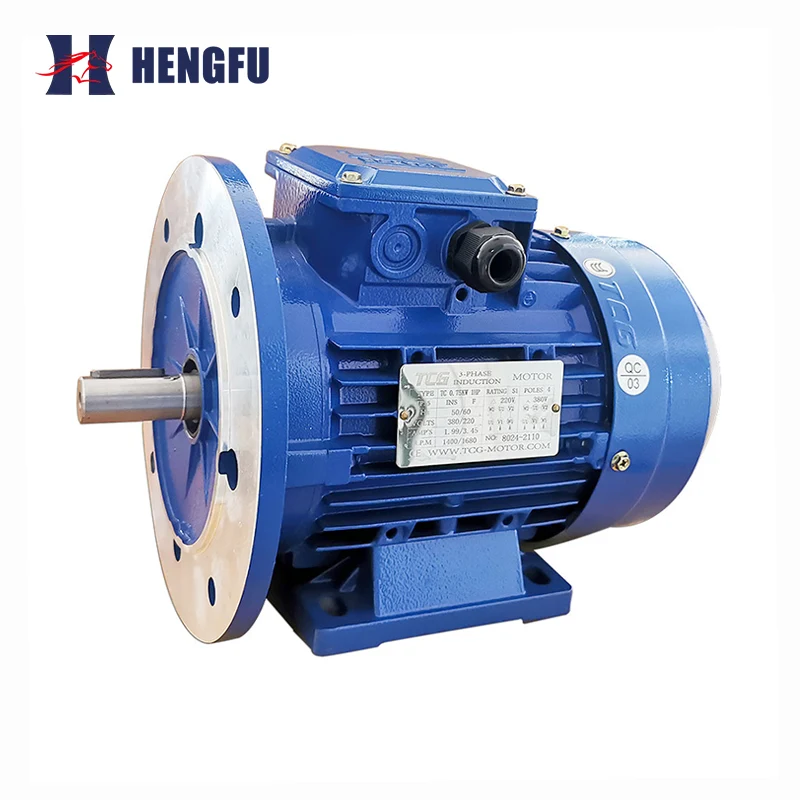
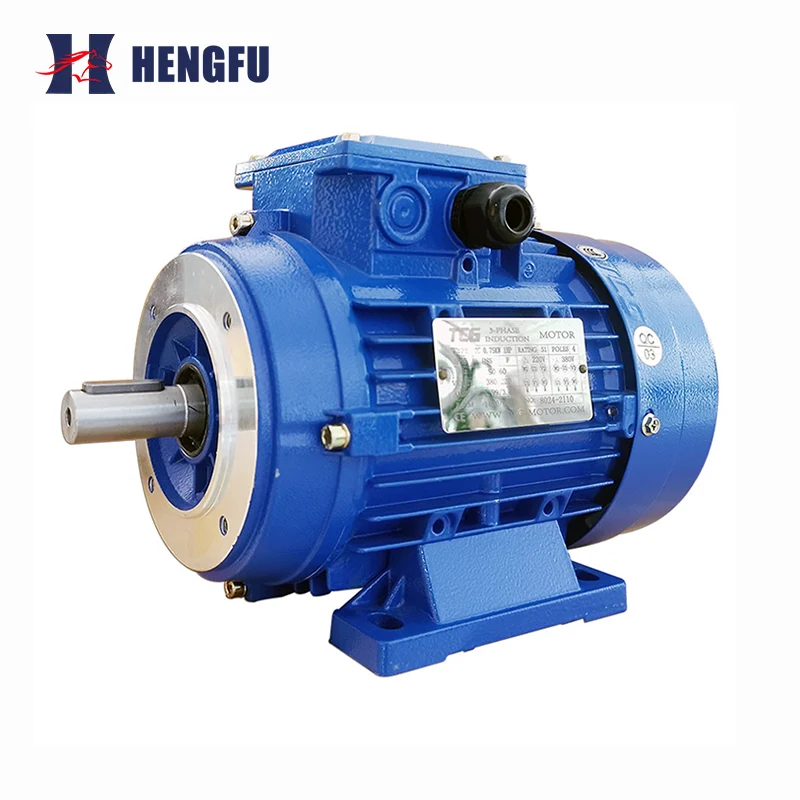
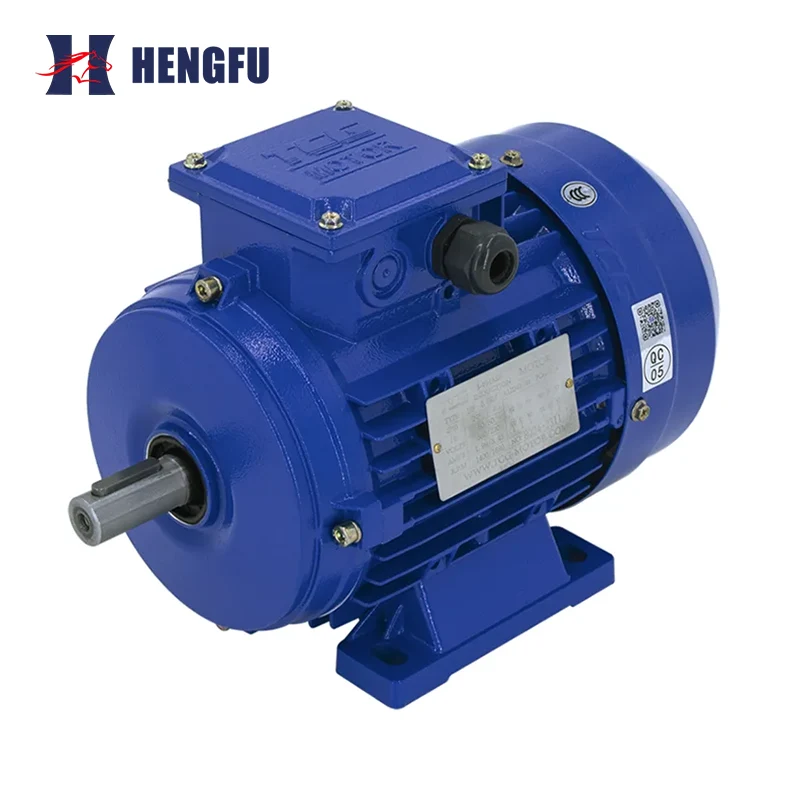
TCG, as a high-end brand deeply rooted in the power transmission field, has redefined the balance between lightweight design and high performance with its aluminum housing motor series. For buyers seeking equipment stability, TCG not only features an exquisite appearance in industrial design but also achieves breakthroughs in core technology. This three-phase asynchronous motor uses high-permeability silicon steel sheets and pure copper windings, delivering high efficiency with low losses, fully meeting international energy efficiency standards. Under long-term full-load operation, TCG motors leverage excellent heat dissipation to maintain a low temperature rise within a stringent range, directly solving the pain point of shortened lifespan caused by overheating in conventional motors. Additionally, the aluminum housing motor body is made of high-strength alloy, offering excellent compression resistance while reducing weight by about 30% compared to traditional cast iron, making installation and maintenance more convenient. If your machinery requires continuous long-term operation, choosing TCG means securing both long service life and high reliability.
TCG offers a solution by fully upgrading to the three-phase asynchronous motor's elite series — the high-efficiency motor series. In applications such as automated production lines, precision machine tools, fans, and pumps, low vibration and low noise are key indicators of equipment quality. TCG minimizes mechanical resonance to the greatest extent through precision dynamic balancing processes and imported long-life bearings, with measured decibel levels far exceeding industry standards. This benefits from TCG's unique aluminum housing motor cooling structure: its heat dissipation fin design increases the air contact area, and with an internal high-efficiency cooling fan, the motor remains in a cool-running state with low temperature rise even at high speeds. This high-reliability design allows TCG's aluminum housing motor to demonstrate remarkable compression resistance in harsh, high-dust, long-running environments such as textile and plastic machinery. Moreover, the exquisite appearance matte coating process not only resists corrosion but also adds value to your complete equipment. TCG is committed to providing global users with a high-efficiency, durable power core — an ideal choice to replace imported brands.
In the application scenarios of fans, water pumps, and reducers, the stability of the power source directly determines the system failure rate. TCG has specially optimized the low-frequency torque and overload capacity of its three-phase asynchronous motor for these heavy-duty conditions. When purchasers select a matching aluminum housing motor, they often ask: how to ensure high reliability under long-term operation? TCG's answer is extreme heat dissipation and low temperature rise technology. TCG's high-efficiency motor employs a Class F insulation system with ample safety margin. Even during voltage fluctuations or sudden load increases, its compression-resistant winding structure ensures stable output. Compared to cast iron motors, TCG's aluminum housing motor offers an exquisite appearance and better thermal conductivity, quickly transferring internal heat to the housing surface for dissipation, thereby protecting internal bearings and lubricating grease for truly long service life. In real-world operation, TCG optimizes the electromagnetic design to achieve low vibration and low noise, delivering not only high efficiency and energy savings but also significantly reducing maintenance costs. Whether for export equipment or upgrading old production lines, TCG is your trustworthy industrial partner.
Let me know if you need the YouTube video scripts or any adjustments to fit your website layout better!