
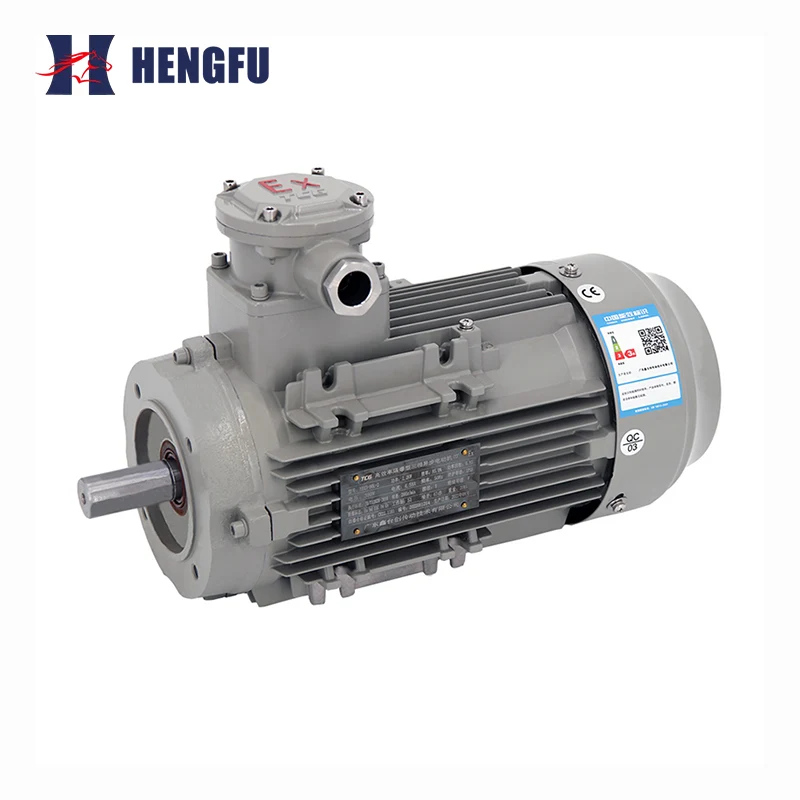
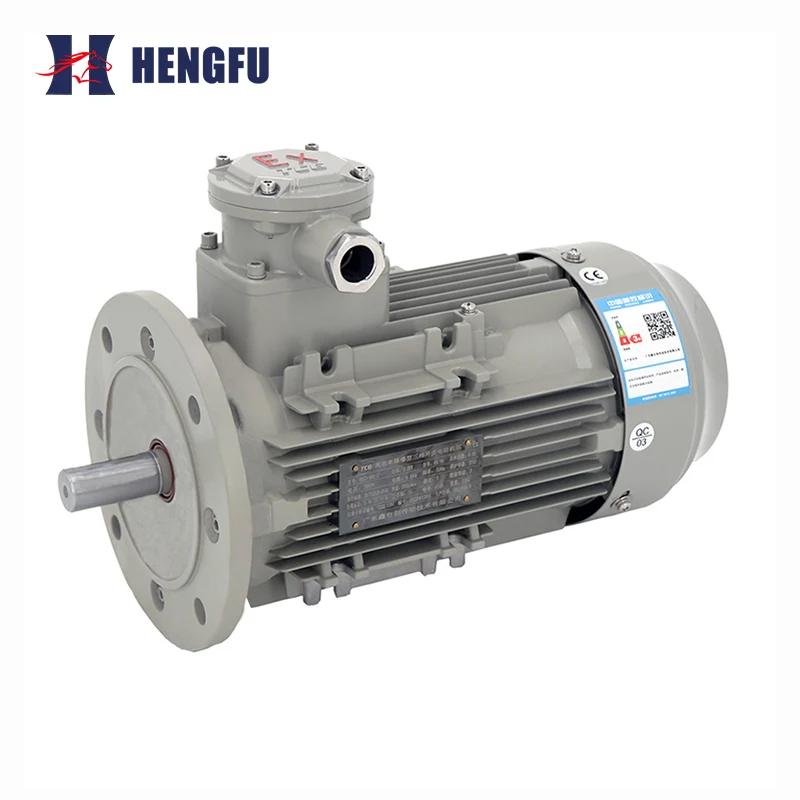
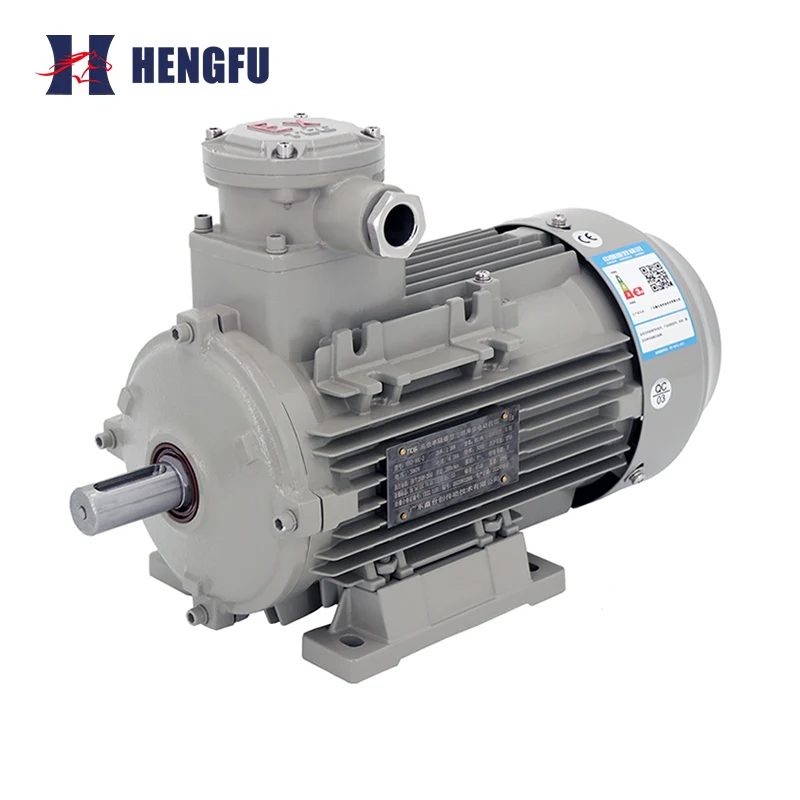
YBX3-CT4 Gas Explosion Proof Motor
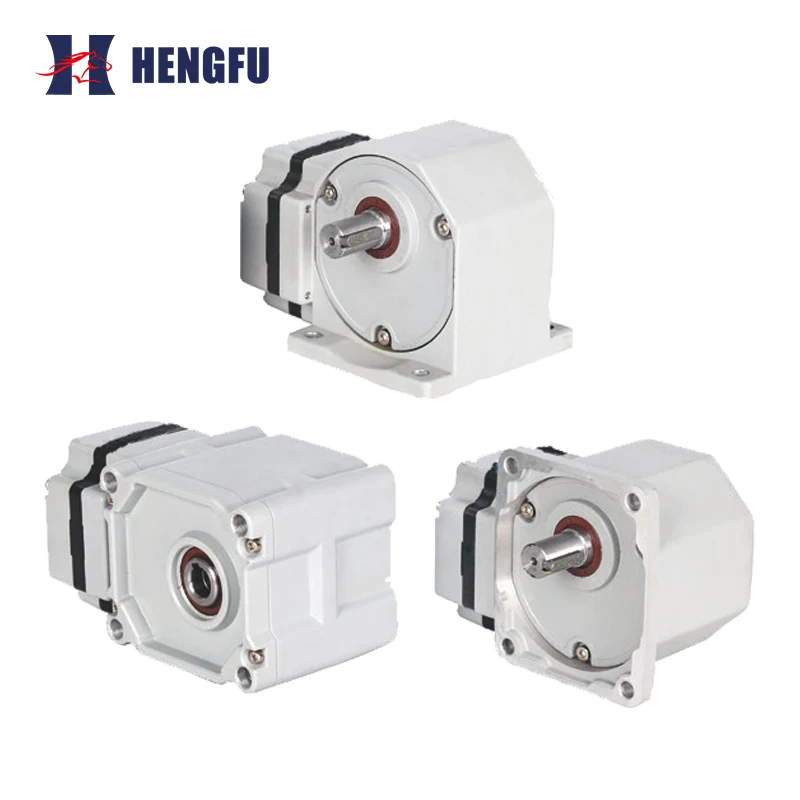
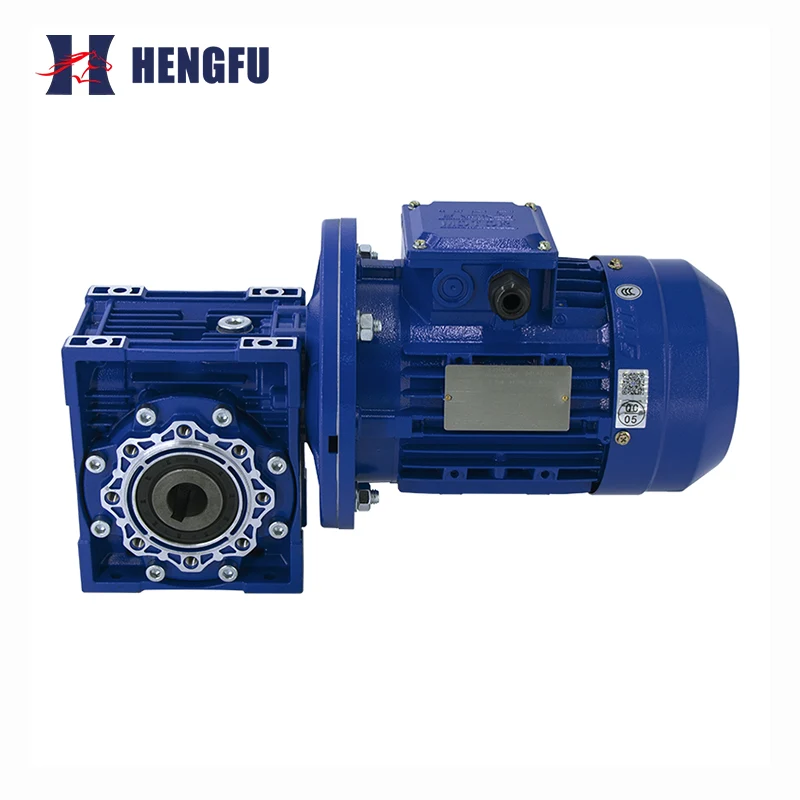
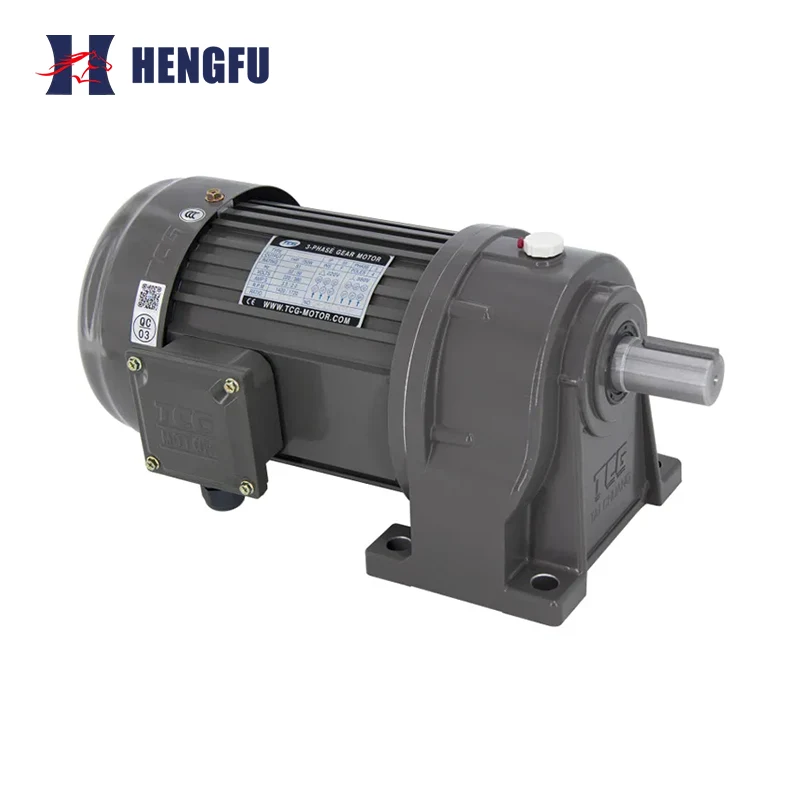
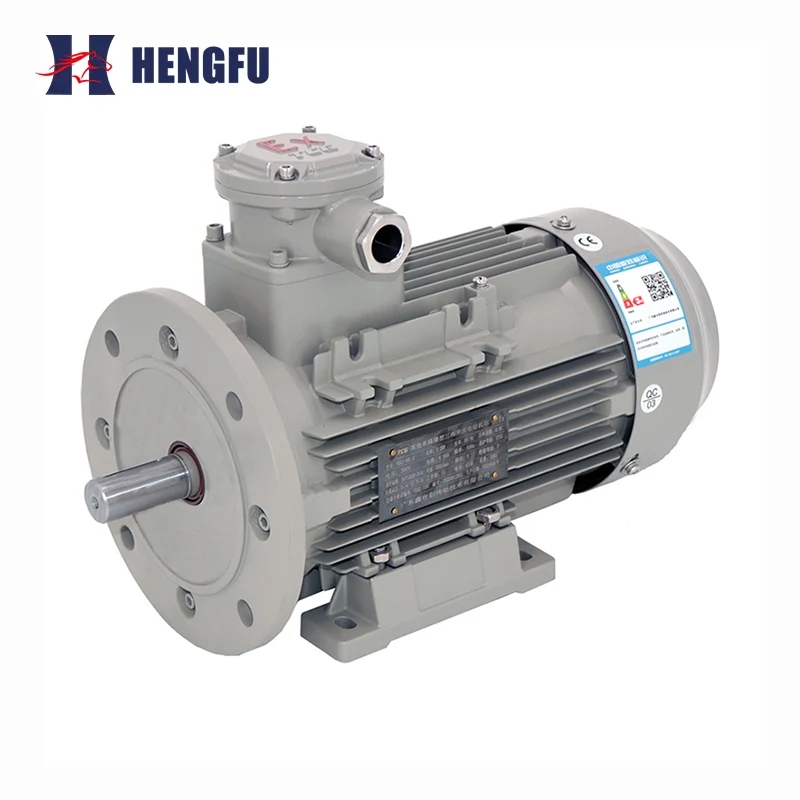
For energy-efficient, compact and dependable gas explosion-proof motors, the YBX3-CT4 series is China's first independently developed aluminum-housing Explosion Proof Motor. Boasting gas explosion resistance and excellent heat dissipation, it optimizes safety and portability of explosion-proof equipment. It delivers low temperature rise, long service life and high operational reliability.
1. Pioneering Aluminum-housing Design: Lightweight, Compact & Exquisite Appearance
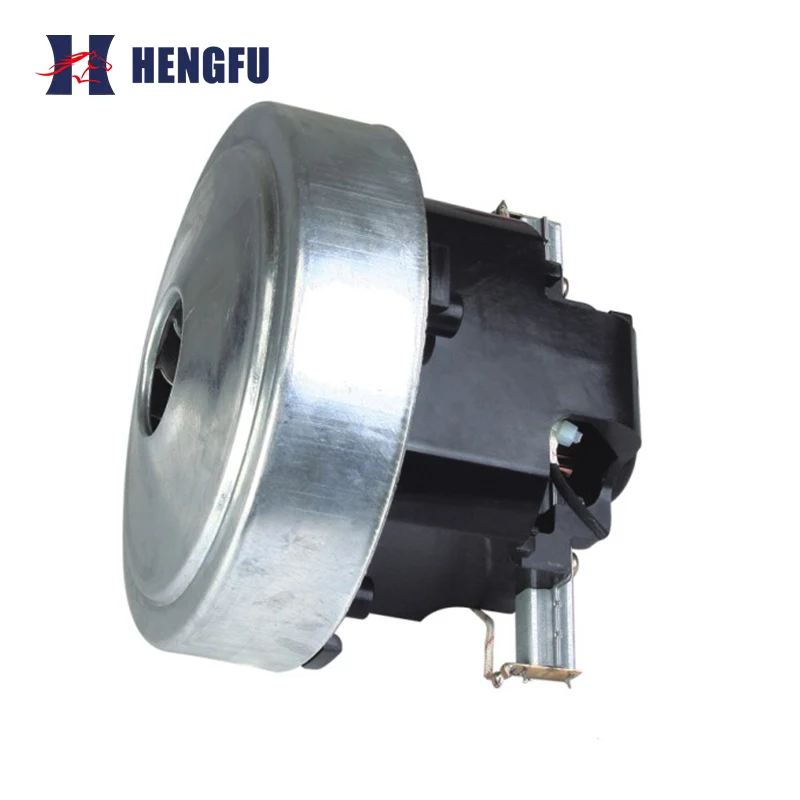
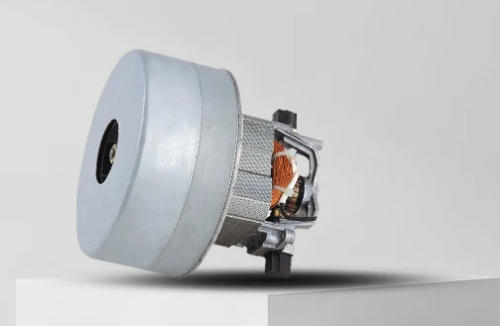
This three-phase asynchronous Explosion Proof Motor solves the bulkiness defect of conventional cast iron counterparts. Made of high-strength aluminum alloy, it cuts weight by 30%-40%. The 7.5kW model weighs only about 52kg, easing handling and installation. Adopting electrostatic plastic spraying, it features fine appearance, robust structure and superior heat dissipation, suitable for chemical plants, offshore platforms and other harsh sites. The brand also supplies brushed and brushless vacuum motors to meet diverse industrial power matching demands.
2. Superior Explosion Resistance & High Reliability
Built with Ex db flameproof structure, the sturdy enclosure blocks internal sparks from igniting flammable gas outside. Manufactured in strict accordance with national standards with qualified clearance parameters. Multiple rigorous factory tests including static pressure and dielectric withstand voltage ensure stable quality. Safe and applicable for flammable and explosive working conditions.
3. Excellent Heat Dissipation & Low Temperature Rise
Aluminum alloy conducts heat far better than cast iron. Equipped with dense cooling ribs, the motor gains enlarged heat dissipation area. Its temperature rise is notably lower under identical working conditions. Low operating temperature slows insulation and bearing grease aging, extending service life and lowering maintenance frequency. It avoids overheat shutdown even in high-temperature outdoor and oil refinery environments.
4. High Efficiency & Long Lifespan to Cut Lifecycle Cost
It reaches IE3 energy efficiency class and supports IE4 upgrade, complying with national secondary energy standard for remarkable power saving. Fitted with imported NSK and SKF bearings, and Class F insulation material resistant to 155°C. Reinforced winding via vacuum impregnation features fine moisture and corrosion resistance. Stainless steel accessories further enhance durability. Proper maintenance guarantees 15-20 years service life with outstanding cost performance.
5. Low Vibration & Noise for Comfortable Working Environment
The rotor undergoes G2.5 precision dynamic balance calibration for smooth operation. Optimized electromagnetic design, sine winding and high-precision casing processing reduce noise effectively. The noise level stays below 72 decibels at one-meter distance, ideal for pharmaceutical workshops and laboratories with strict environmental requirements.
6. Outstanding Pressure Resistance
The thickened and ribbed housing has 6-8mm wall thickness at key stress positions, matching the strength of cast iron motors of the same specification. High-tensile aluminum alloy shows no deformation under 200kg static load. Reinforced flameproof surface withstands 2.0MPa explosion pressure. Impact-resistant and lightweight, it adapts to various industrial installation scenarios.